
Village in the Shade Rules: Village Code and Night Exploration Guide
Learn the confirmed Village in the Shade rules, what night exploration reveals, and how Peaceful Life Mode prevents breaking the village code.
What the village code means for your game
A peaceful day in Kagatsu comes with a condition: follow the village code. The Village in the Shade rules matter because investigating the village’s secrets can involve disobeying customs that residents expect you to respect. This guide explains the Village in the Shade rules confirmed by official material, what nighttime exploration involves, and which starting option prevents code breaking.

Village in the Shade - Release Date Announcement Trailer · NIS America
Official promotional trailer used as general reference for this game. It is not a topic-specific tutorial, a Patch 1.30 demonstration, or a device benchmark. The article does not depend on its narration.
Kagatsu’s code consists of eight inherited rules. The village chief presents them as a way to protect the community’s prosperous life, and observing them is deeply rooted in local customs. Your character, newly taken into the village, is also expected to comply.
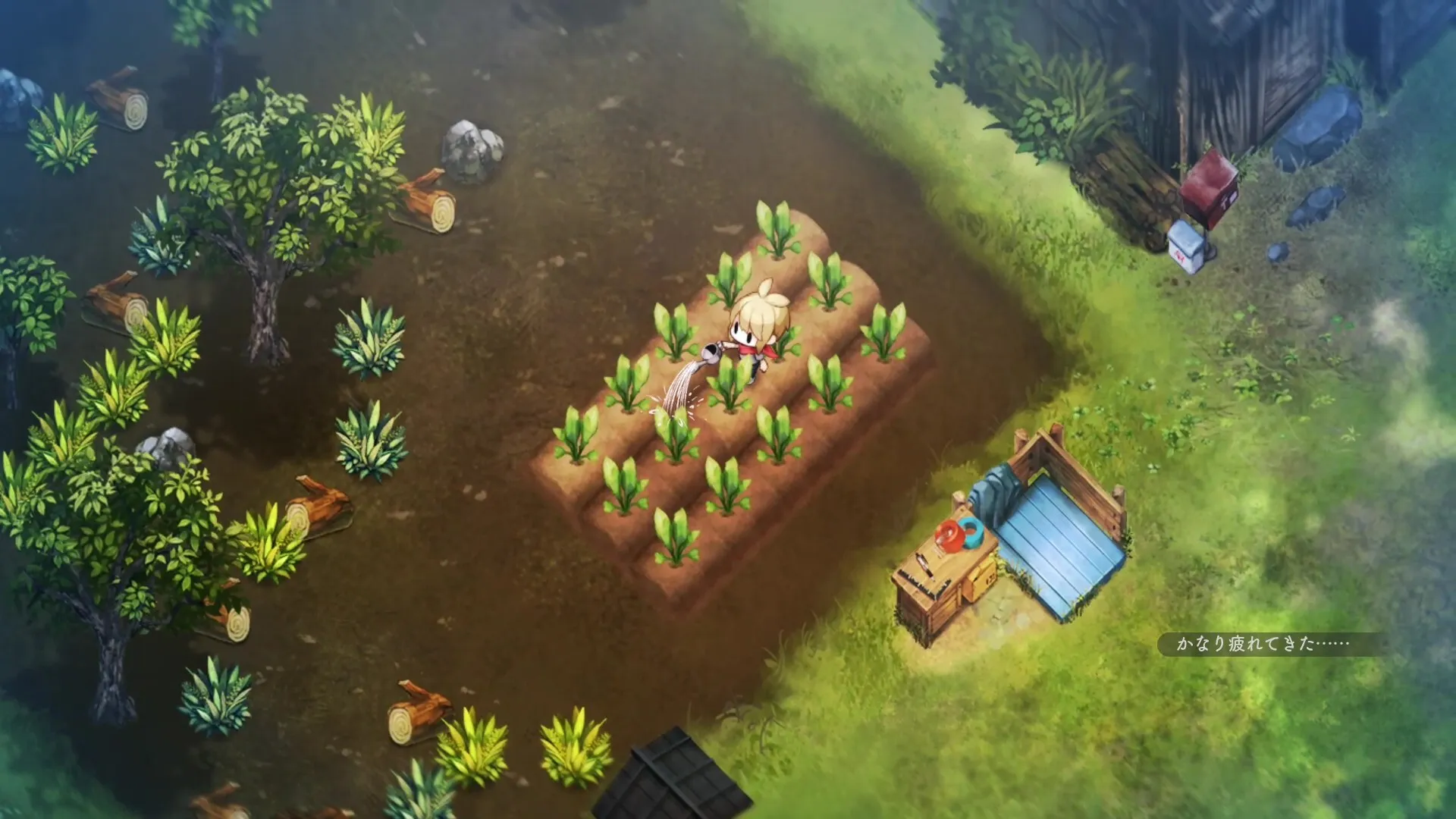
That expectation sits alongside the farming routine. You can grow crops, raise livestock, fish, craft, decorate your home, and build relationships. Meanwhile, strange events and guarded conversations suggest that the village has more to explain than its residents initially reveal.
The Village in the Shade rules connect those everyday activities to the larger mystery. Some residents apparently break the code themselves by wandering late at night. Their behavior raises questions, but the official descriptions leave their reasons unresolved.
Scope: This guide covers official information for the 2026 game’s Western English edition, dated October 28, 2026. Japanese official promotional material is identified where it adds context. The complete Japanese rule board is visible in Game8’s June 15, 2026 press-preview screenshot. The English wording below paraphrases that Japanese image; Patch 1.30’s exact English interface wording has not been checked.
Which Village in the Shade rules are confirmed?
The Game8 developer interview and original Japanese rule-board screenshot show the complete eight-rule notice from a Japanese press build. This is primary visual evidence for the wording on that board, rather than a list reconstructed from fan summaries.
The table gives readable English paraphrases. These are not advertised as the official English localization, and the original screenshot predates the Western launch. The rule order follows the Japanese board from right to left.
| Rule | English paraphrase of the Japanese notice | What the notice establishes |
|---|---|---|
| One | Stay indoors after 11 p.m. | The board states an 11 p.m. curfew. |
| Two | Help the village. | Cooperation with village life is required. |
| Three | Keep away from strangers. | Approaching unfamiliar people is prohibited. |
| Four | Keep other people’s secrets. | Exposing another person’s secrets is forbidden. |
| Five | Remain within the village. | Leaving the village is prohibited. |
| Six | Leave voices from the mountain unanswered. | Responding to those voices is forbidden. |
| Seven | Do not look for things that have been lost. | Searching for lost things is prohibited. |
| Eight | Expect a fitting cost for a wish. | Wishes are connected to an appropriate price. |
These Village in the Shade rules combine everyday social obligations with restrictions on curiosity and exploration. Helping the community and keeping confidences sit beside warnings about unfamiliar people, the mountains, lost possessions, and the cost of a wish.
Knowing the complete wording still does not establish how every violation works. The 11 p.m. curfew is visible in the source image, but that is not a complete schedule of nighttime events or a promise that every door becomes available at that moment. The stranger rule likewise does not identify every character or encounter to which it applies.
Use the instructions and context presented in your own game when interpreting a particular scene. These English paraphrases explain the Japanese notice without claiming exact localized terminology, a guaranteed safe route, or the consequences of every rule. Keeping those limits clear lets you understand the code while avoiding unsupported story solutions.
What nighttime exploration officially involves
Night exploration is part of the mystery described by the developer. The original Japanese official midnight page encourages players to break the code and investigate a version of Kagatsu that feels different from its daytime surroundings.
When considering the Village in the Shade rules, that distinction matters: the official description explicitly connects nighttime investigation with disobedience. It also describes possible discoveries, without providing a route or a complete explanation of the encounters.
| Confirmed nighttime detail | What it means for your expectations | Limit of the available information |
|---|---|---|
| The developer advises bringing a flashlight | A flashlight is the clearest official preparation tip. | Its defensive capabilities are not explained. |
| Unfamiliar dropped items can appear | Exploring can reveal objects absent from the usual daytime description. | No complete item list or guaranteed locations are supplied. |
| Some discoveries may help everyday life | Nighttime finds can have practical value. | Their usefulness does not establish that every outing is safe. |
| Exploration can bring you closer to villagers’ secrets | Night has a connection to the village mystery. | No exact discovery order is documented here. |
| Unfamiliar beings may be encountered | Encounters contribute to the horror premise. | Their nature and potential danger remain intentionally unclear. |
Bring a flashlight if you choose to explore at night. That advice comes directly from the Japanese official material. It is useful preparation, but it should not be expanded into an unsupported claim that the light protects you from everything you might encounter.
There is also a distinction between lost possessions and nighttime discoveries. The code warns against searching for lost things, while the midnight description advertises unfamiliar dropped items. Those statements do not establish that every pickup breaks a rule or that every object is harmless. The game’s context is needed to interpret particular situations.
The same caution applies to creatures. Official descriptions confirm unusual beings without providing a named yokai roster, enemy classifications, or reliable behavior patterns. A presence behind the protagonist creates uncertainty; it does not, by itself, prove a particular attack mechanic.
The Japanese rule board establishes 11 p.m. as the curfew. “Midnight” also describes the setting of the official exploration material, but neither source provides a guaranteed safe path, every event’s trigger time, or a verified sequence for returning unharmed.
How to avoid breaking the Village in the Shade rules
If your priority is countryside life without horror, the confirmed option is the non-horror mode selected at the start. Official information says this choice prevents you from breaking the village code.
Its English name differs between the official website and Steam’s English patch information:
| Where the name appears | Mode name | Confirmed purpose |
|---|---|---|
| Official English website | Peaceful Life Mode | Provides the optional non-horror choice and prevents code breaking. |
| Steam English patch information | Village in the Sunshine Mode | Names the corresponding optional choice in Steam’s English information. |
Make the decision when starting your game. The available official information supports choosing the option at that point. Game8’s June 2026 developer interview reports that the starting mode cannot be changed midway through a playthrough. This is an attributed statement about the original Japanese launch design; it does not establish save transfer or conversion between editions.
If nighttime investigation interests you, consider that preference before choosing the non-horror option. The official midnight description connects investigation with breaking the code, while the peaceful option prevents that behavior.
How village relationships connect to the mystery
The Village in the Shade rules also have a social context. Residents follow inherited customs, sometimes speak evasively, and may leave your character feeling excluded from conversations. Understanding Kagatsu involves paying attention to people as well as places.
The original Japanese official story introduction describes villagers as generally kind, yet reluctant to explain certain remarks. It suggests that becoming closer may encourage them to share more. The Japanese systems page identifies several ways to participate in village life.
| Confirmed interaction | What official material describes | Useful approach |
|---|---|---|
| Talking with residents | Conversation helps develop relationships. | Pay attention to what villagers say and what they leave unexplained. |
| Helping villagers | Assistance is one way to deepen connections. | Take opportunities to participate in their daily lives. |
| Attending village festivities | Community events support interaction. | Treat festivals as opportunities to get to know residents. |
| Becoming closer to villagers | Some residents may invite you home for meals. | Let relationships develop without assuming a guaranteed event schedule. |
These are supported activities, rather than an exact friendship walkthrough. The descriptions do not provide a required conversation count or a sequence that guarantees a particular disclosure. Closer relationships may reveal more, but the evidence does not establish a fixed timetable.
For a spoiler-light approach, follow the conversations themselves. An odd remark can be worth remembering without immediately assigning it a supernatural explanation. The official premise deliberately leaves the meaning of some comments uncertain.
You can also recognize a resident’s nighttime behavior as a question the story raises. The fact that someone else apparently disobeys the code does not explain their motive or establish that following them is safe.
Which guide should you read next?
Sources and verification
Checked October 28, 2026. Japanese promotional material and developer interviews are identified separately from the Western English release.
FAQ
Are all eight Village in the Shade rules listed here?
What happens when you break a rule?
How can I avoid breaking the village code?
What should I bring for night exploration?
Related Articles
guide
Village in the Shade Combat: Night Encounters and Preparation
Village in the Shade includes nighttime supernatural encounters, and some involve using tools against specific enemies.
guide
Village in the Shade Sunshine Mode: Peaceful Play and Unlock Guide
Learn when to choose Village in the Shade Sunshine Mode, how Peaceful Life Mode works, and which birthday and farmland requirements differ.
guide
Village in the Shade Yokai Guide: How to Defeat the Grass Yokai
Grass Yokai footage shows a player inspecting suspicious vegetation and using a sickle during the encounter.
Was this helpful?
Thanks for the feedback!